

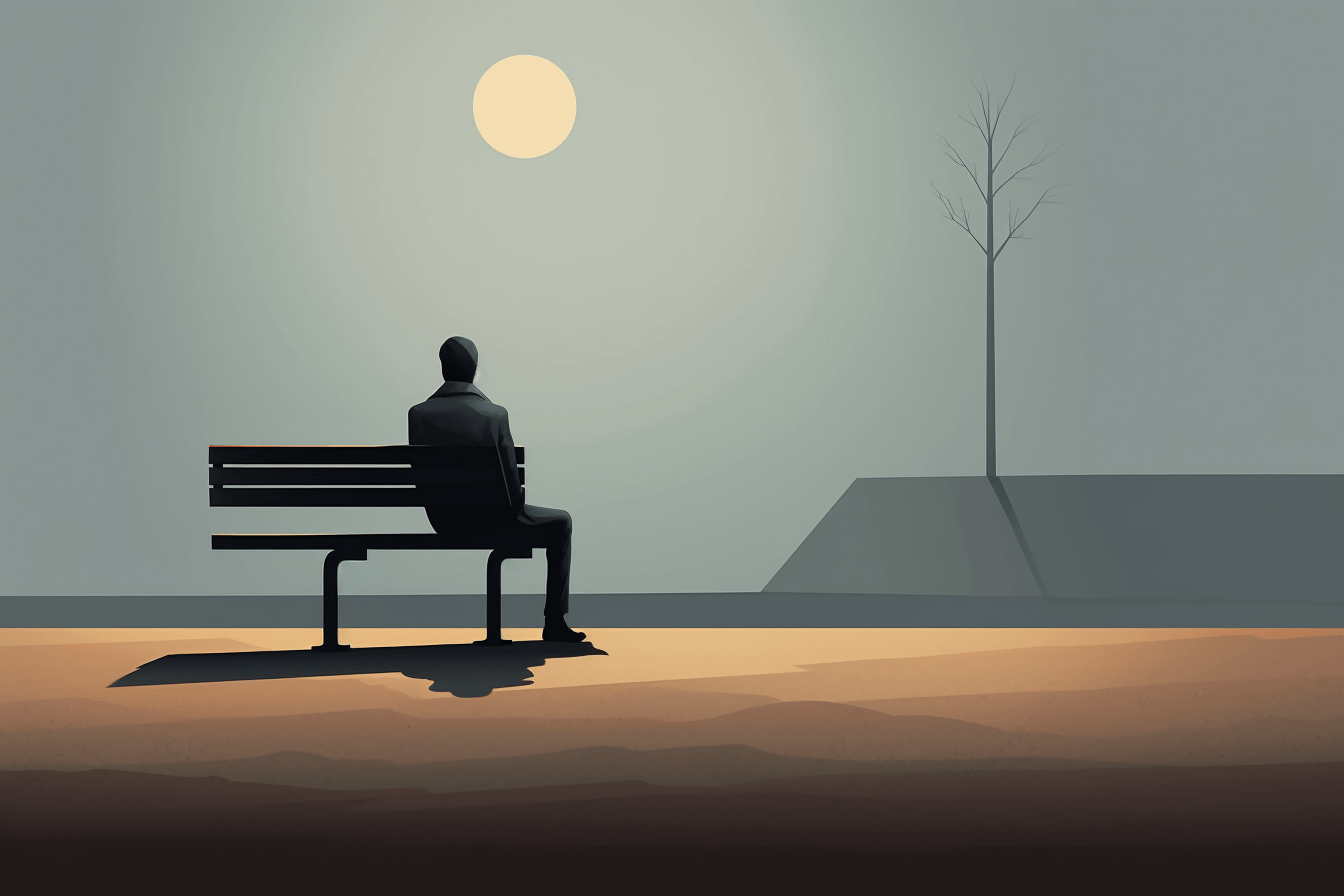
The latest health hazard isn't viral. According to the United States Surgeon General Dr. Vivek Murthy, we face an epidemic of loneliness and isolation. More than 300 million people globally don't have a single friend, and approximately half of U.S. adults reported experiencing loneliness even before the COVID-19 pandemic.
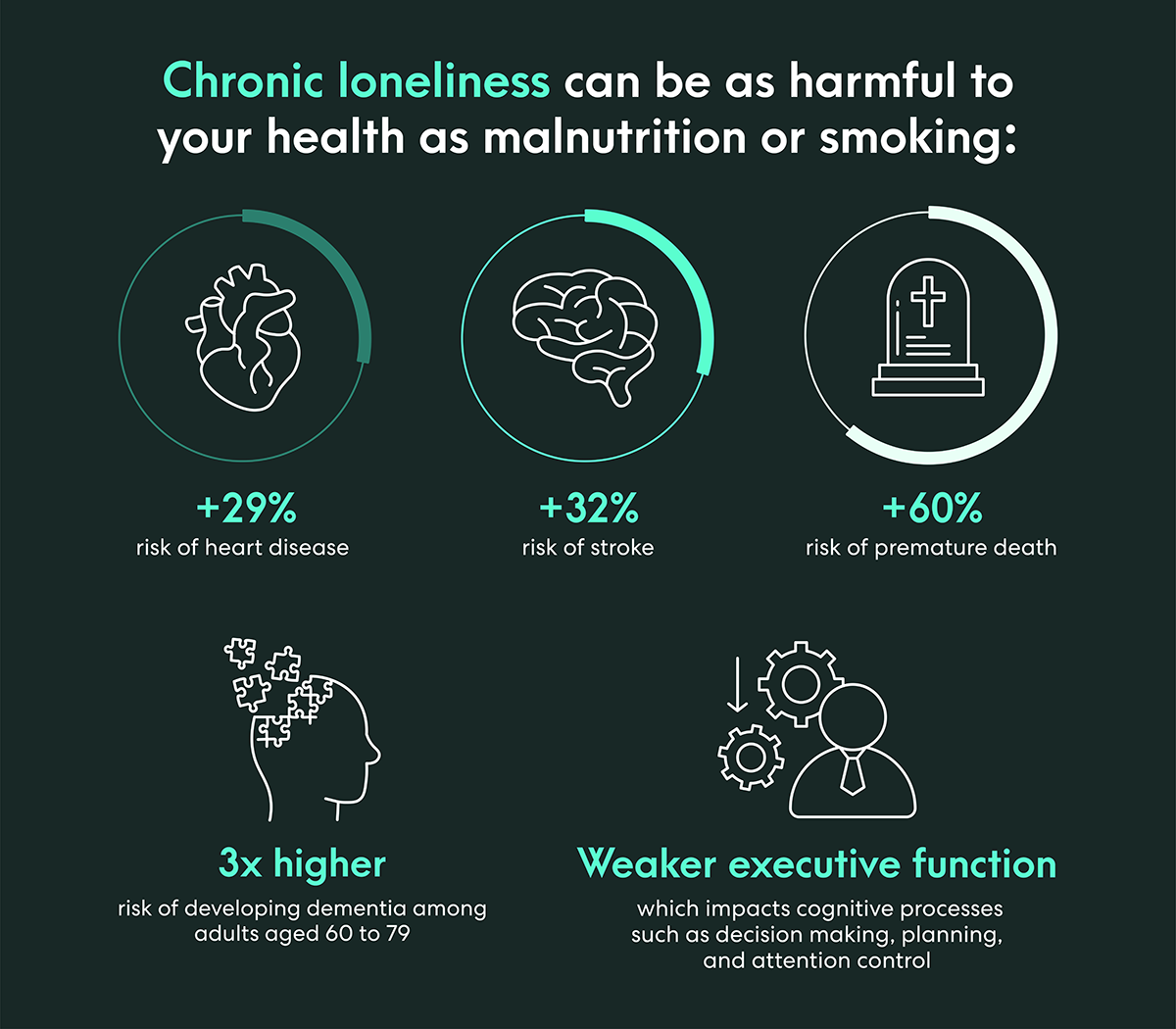
These numbers don't just mean human beings are suffering subjectively or psychologically.
A Harvard study that tracked individuals for nearly eighty years found that the number one factor that predicts people’s physical health later in life is the quality of their relationships.
When we look at vast amounts of data on 50-year-olds, Dr. Robert Waldinger, Director of the Harvard Study of Adult Development, says: "It wasn’t their middle-age cholesterol levels that predicted how they were going to grow old, it was how satisfied they were in their relationships. The people who were the most satisfied in their relationships at age 50 were the healthiest at age 80.”
Regardless of age or job, the simple truth is that we are happier and healthier when we are close to others. Biology designed us this way, as social pack animals, so that we could survive in a dangerous, uncertain world and that biology remains unchanged.
So as biologists, we must call out that so much of what is commonplace today is in rampant disregard of our basic need for consistent community. Take these examples for instance:
It’s time to wake up. The way we live, especially in Westernized society, is increasingly unnatural through the lens of human history and biology. Our growing reliance on isolating digital technologies is only going to intensify the loneliness epidemic.
Just like hunger tells you to look for food, loneliness evolved as a mental signal for finding or fixing relationships.
We've relied on others for our survival throughout human history. We've adapted to feel safer and more secure when we don't perceive ourselves as being alone.
In their 2020 Nature Neuroscience publication, Dr. Livia Tomova, a neuroscientist at the University of Cambridge, and colleagues stated: “People who are forced to be isolated crave social interactions similarly to the way in which a hungry person craves food.”
Other studies show loneliness triggers the same neural pathways as physical pain and increases the expression of pro-inflammatory cytokines which are associated with a higher risk of disease and mortality later in life.

Just like the experience of hunger varies from person to person, loneliness is subjective too—there's no fixed threshold of friends or interactions that prevents it. You feel lonely when your social interactions don't meet the quantity or quality you crave.
Professional performance also suffers from loneliness.
A 2022 study found that "a lack of social connection at work can lead to lower productivity and creativity, burnout, and higher staff turnover." In addition, research among over 61,000 Microsoft employees showed that remote work caused collaboration networks to shrink and become more siloed, leading to lower innovation and extended project completion times when measured over longer periods.
Loneliness is a tricky adversary.
Hungry people will end the affliction if they can—by eating. Loneliness often leads to more loneliness, creating a loneliness loop. Insecurity, nerves, and anxiety set in, so we start to avoid opportunities for social connection.
Digital channels contribute to this downward spiral. A face-to-face meeting becomes a call becomes an email becomes a text message. Our loneliness-induced insecurity prefers these channels that lack human touch and eye contact, making the problem worse.
We choose:
None of these channels or technologies are inherently bad, but they become problematic when they replace instead of complement human interactions.
From there, the loop worsens.
Too much screen time can make both adolescents and adults feel more depressed. A 2017 study found a significant link between moderate or severe depressive symptoms and screen-based activities like TV watching and computer use (especially over six hours daily).
Depression, in turn, can amplify loneliness, perpetuating the cycle of more screen time and less social interaction.
To be clear: if you spend more than six hours a day on your computer screen—which applies to so many of us at this point—that does not mean you are going to experience depressive symptoms. But these data do warn us to balance screen time with meaningful social connection, exercise, sunlight, and other screen-free activities.
Oxytocin, often called the "love hormone" or "social glue," helps people bond and maintain relationships. It's released when you hug, touch, or even share eye gaze.
This hormone increases trust, empathy, and reciprocity—all essential for forming and maintaining strong social connections.
But what most people don’t know about oxytocin is that it is also released in response to certain stressors, particularly those that trigger social needs. So oxytocin is technically a “stress hormone”, which pushes us to have a “tend and befriend” response, in contrast to a “fight or flight” response.
When oxytocin levels are high, we are more likely to view our social interactions positively and seek out more of them. Oxytocin also reduces stress and anxiety, which often accompany feelings of loneliness.
Next time you are stressed and tired, reach out. Next time you are leaning towards opting out of a social event or interaction, think again. In those moments, remember the power of oxytocin and use it to lower your stress levels. Push yourself to “tend and befriend” in order to create a more conducive environment for bonding and breaking the loneliness loop.
If you work remotely often or most of your social interactions are digital, you may experience side effects of loneliness, even if you don't technically feel lonely.
But you need to take a step back and realize that the digital-first lifestyle so many of us now have is completely unnatural given the arc of human history. We are not designed to primarily interact online. We are not designed to live alone. Even the idea of a nuclear family is a (questionable) new norm that makes us think we need to do everything all on our own. We don't and we shouldn't.
It takes a village to survive, let alone thrive. Here are twelve research-backed strategies to find and build yours.

Try to incorporate a blend of remote and in-person work. 87% of people following a hybrid work model reported good to excellent mental health, compared to 54% of office workers and 63% of those working from home.
If you are introverted like we are (😊), we benefit greatly from always having a list of the people closest to us. When we have a few minutes of downtime, we make an effort to reach out. Think of your relationships like a garden that you need to water to keep healthy. Don’t wait to be contacted.
Conversing in real-time encourages interaction and reduces misunderstandings. The rhythms and tonalities of voice also help build trust and foster feelings of warmth and security.
Social and physical warmth share the same neural circuitry, so heat, warm beverages, or bathing can help alleviate feelings of loneliness.
Find a community that aligns with your interests—even online communities have been shown to have positive outcomes. Joining a sports team is also a highly effective way to reduce loneliness. The mix of aerobic exercise, which has been shown to be as effective as SSRIs in treating depression, combined with being around other humans and focusing on something other than life's problems is powerful medicine. Add some fresh air, sunshine, and a device-free hour and that's one heavy-hitting natural drug.
Remember, physical touch and bonding activities release this 'social glue,' fostering connection and trust. Don't shy away from fist bumps, high fives, handshakes, or even hugs (if appropriate) in the workplace. Even in cultures that are low-contact and encourage independence, physical touch reduces feelings of loneliness.
Engaging in acts of kindness can alleviate feelings of loneliness, whether you're the one extending a helping hand or allowing someone else to help you. Get some friends or co-workers to do an act of service with you to get a two-for-one.
Spending time alone meditating sounds like a strange way to fight loneliness, but meditation has actually been shown to increase our feelings of social connection. In addition, meditation also measurably downregulates loneliness-related pro-inflammatory gene expression.
The quality of your interactions matters as much as the quantity. Practice active listening as often as possible, and make it a point in both personal conversations to put your phone away. Do not look at it or your smartwatch. This will increase how much people trust you and also increase empathy during conversations. We challenge you to do one date night or friend meetup and both intentionally leave your phones behind!
Technology can be a powerful tool against loneliness when used mindfully. Chatbots show therapeutic promise but also remember that more time on social media is correlated with more loneliness, stress, and depressive symptoms. Limit social media and device time (especially for children) or balance them out heavily with in-person connection.
Next time you are stressed and tired, reach out. Next time you are leaning towards opting out of a social event or interaction, remember the power of oxytocin. In those moments, push yourself to "tend and befriend" to lower your stress levels instead of defaulting to "fight or flight".
Business owners and managers can increase social interactions in both physical and digital environments. For example, a Slack bot can schedule random water cooler meetings between employees. Steve Jobs famously designed Pixar's and Apple's HQs for chance encounters to encourage collaboration and creativity.
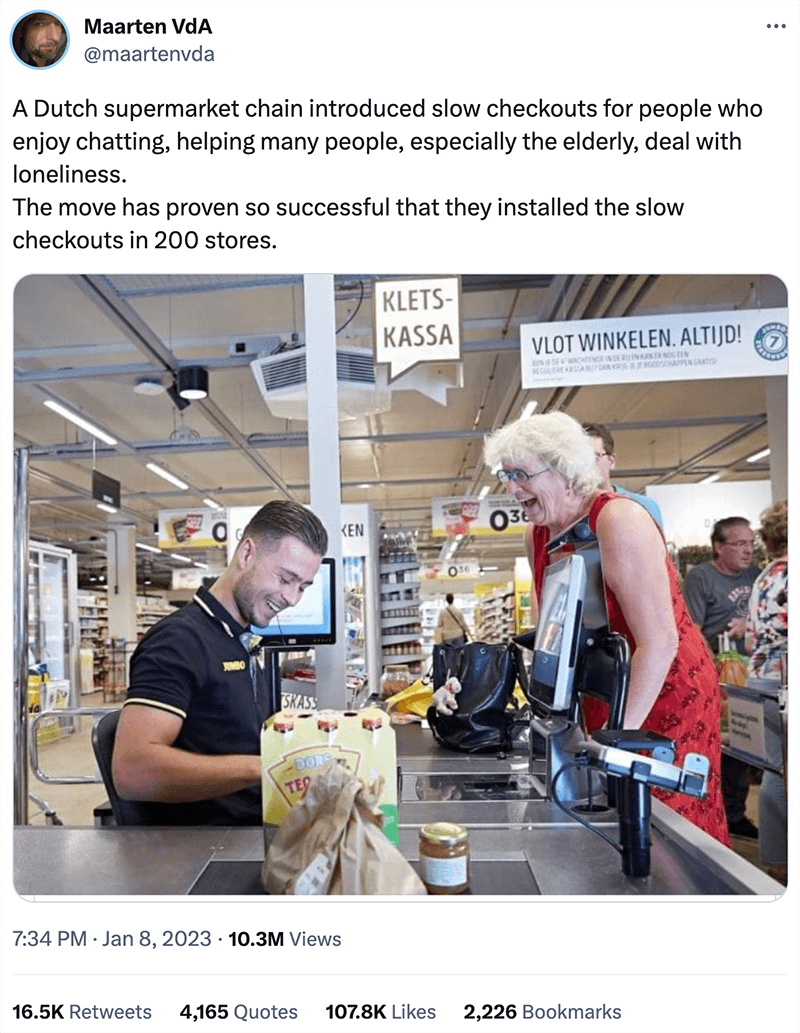
Perhaps most importantly, be generous in your interactions with others. Share a smile, story, or extra minute to listen. Even if you don't have your own loneliness to cure, the other person might crave what you can easily give, lifting them out of their loneliness loop.
“Most expressions of generosity are not about money. People offer attention, encouragement, and patience many times a day. Nonetheless, sometimes we withhold when it would be so easy, actually, to listen quietly for another minute or to offer a word of appreciation or simply a look that says, ‘I’m with you.’”
―Dr. Rick Hanson, Senior Fellow at UC Berkeley’s Greater Good Science Center
Think of a friend, family member, or coworker you have been meaning to connect with. Why not call or arrange a meeting instead of texting or emailing? Small, meaningful actions like these, carried out by many, can counteract the loneliness epidemic. Let’s all take that first step now and start making a difference today.
To gauge your own experience, we recommend the Lubben Social Network Scale. This scientifically validated tool measures loneliness and social isolation. The scale correlates with mortality, all case hospitalization, health behaviors, depressive symptoms, and overall physical health.
Click the button above to take the assessment and understand your social network and potential feelings of loneliness.
